Induction, Ceramic or Gas: How to Clean Each Type of Hob
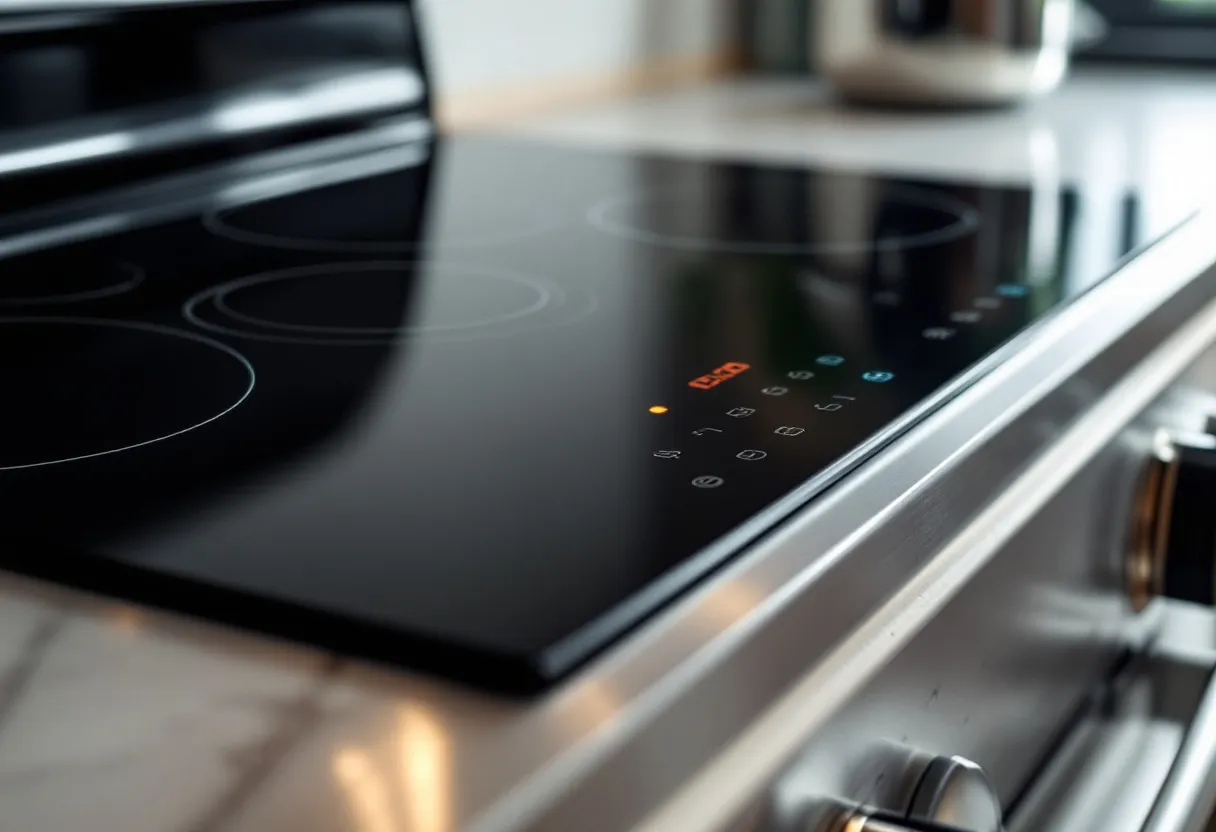
A hob takes more abuse than any other part of the kitchen. Milk boils over, sauces spit and pasta water foams across the surface. Each type of hob reacts differently to the mess, so each needs its own method.
The wrong method can scratch glass, clog a gas burner or ruin a finish. Therefore, this guide covers the main types of hob found in Glasgow homes, with a safe method for each. If you would rather hand it over, our hob cleaning service covers gas, ceramic and induction.
Before you start with any hob
Switch the hob off and let it cool fully. Turn off the electricity at the wall or the gas at the control, depending on the type. Never clean a hot surface, because steam and heat can burn you.
Check the manual for your model. Makers often list products to avoid, and following their advice also protects your warranty.
Test any new product on a small, hidden corner first. Then work gently, because it is easier to repeat a mild clean than to repair a scratch.
How to clean an induction hob
Induction hobs have a smooth glass top. Because the pan heats the glass and not a flame, spills often do not burn on as hard. Still, sugar and milk can leave a stubborn film.
Wipe the surface with a damp microfibre cloth and a drop of washing-up liquid. Rinse with a clean damp cloth, then buff dry. A dry buff stops streaks, which show up badly on black glass.
For a stuck-on mark, lay a warm, damp cloth over it for a few minutes to soften it. Then lift it away with a plastic scraper held at a low angle. Avoid steel wool, abrasive powders and harsh sprays, since they dull the finish and cause fine scratches.
Check the base of your pans as well, since a rough or dirty base can mark the glass as you slide it. Induction also needs pans with a magnetic base, so a clean, flat pan helps both heating and glass.
How to clean a ceramic hob
Ceramic hobs look like induction hobs, but heat from elements under the glass makes the glass hot. As a result, spills burn on faster. They also hold more heat after you switch them off, so wait for the warning light to go out.
Start with a hob-specific cleaning cream. Apply a small amount with a damp cloth or kitchen paper and rub in small circles. Wipe it off with a clean damp cloth, then buff dry.
For baked-on residue, use a ceramic hob scraper. Hold the blade flat against the glass and push gently. A blade held at a steep angle will dig in, so take care.
Sugar needs special attention. Melted sugar can pit the glass if it cools and hardens. Therefore, scrape it off while the hob is still warm, using an oven glove and a scraper, and be careful not to burn yourself.
How to clean a gas hob
Gas hobs collect the most grease because the flame spreads fat and food over a wide area. They also have more parts, so the job takes longer. Lift off the pan supports, burner caps and crowns once the hob is cold.
Soak those parts in hot water with washing-up liquid for about half an hour. Scrub gently with a soft brush, then rinse and dry them fully. Damp parts can stop the burner from lighting properly.
Burner ports are the small slots round the crown. When they clog, the flame turns uneven or yellow. Clear them with a pin or a stiff brush, but do not enlarge the holes.
Wipe the surface under the burners with a damp cloth and detergent. Keep water away from the ignition electrode, the small spark point next to each burner. Refit all parts in the right place, because a misplaced cap gives a poor flame.
If the flame stays yellow or orange after cleaning, or you see black soot, stop using that burner. Call a Gas Safe registered engineer. Never try to repair a gas fault yourself.
How to clean a solid plate or enamel hob
Older electric cookers often have solid plates, which are cast iron discs with a sealed surface. They suit gentle care, not soaking.
Wipe a cool plate with a damp cloth and a little detergent. For burnt-on food, switch the plate on low for a minute to warm the residue, then switch it off and wipe it. A plate brush helps with ridges.
Avoid water on a hot plate, because it can crack the surface or rust the iron. Dry the plate well afterwards. Some owners rub on a tiny amount of plate polish to protect the finish.
What about stainless steel hobs?
Stainless steel hobs mark easily, yet the fix is simple. The key is to wipe along the grain, not across it. A damp cloth with mild detergent does most of the work.
Use a stainless steel cleaner for fingerprints and water marks. Apply it to a cloth, never directly onto the hob. Buff in the direction of the grain to avoid swirls.
Common mistakes to avoid
Several habits damage hobs without anyone noticing. For example, the list below shows five that we see often.
- Using abrasive scourers on glass tops
- Soaking gas burner parts and refitting them wet
- Spraying cleaner into gaps near the controls
- Leaving sugary spills to cool and set
- Mixing cleaning products
Too much water is the biggest one, because it runs into gaps and can reach the electrics or the gas ports. Use damp cloths, not wet ones.
How often to clean your hob
Wipe the surface after each use, while it is cool. That takes thirty seconds and stops grease baking in, so later cleans are easier. A weekly clean with a proper product keeps the finish in good shape.
Do a deeper clean monthly. Specifically, lift off the removable parts, scrub them and check the burner ports. If you cook with a lot of oil, you may need to do it more often.
Grease from the hob travels upwards as well. It lands in the hood and filters above. Our guide to extractor fan and grease filter cleaning shows how to deal with it, and our extractor and cooker hood cleaning service handles the hood itself.
When to call a professional
A home clean works well for regular upkeep. However, years of baked-on grease on a gas hob take hours to shift. Glass hobs with scratches or burn marks may need specialist care.
A professional can also clean the hob as part of a full cooker visit. Many customers add it to an oven clean so the whole cooker comes up together. Our hob add-on costs £20 with an oven booking, and you can see the full list in our Glasgow oven cleaning cost guide.
If you wonder whether the expense pays off, read our honest answer on whether professional oven cleaning is worth it. The same reasoning applies to hobs.
Hobs and moving house
A dirty hob can also cost you money at the end of a tenancy or sale, because agents and buyers notice a greasy cooker at once. Our guide to oven cleaning before moving house covers what to check across the kitchen.
Where we clean hobs
We take hob bookings across Glasgow and the surrounding areas. For example, in East Renfrewshire, our page on oven and hob cleaning in Newton Mearns explains how we work there. Next door, we cover oven cleaning in Giffnock for a mix of older villas and newer homes.
Further west, we serve homes through oven cleaning in Paisley, where flats, terraces and larger houses all have different types of hob.
Book a hob clean
Add a hob to your oven visit for £20. Send your details through the quote form and we will confirm a fixed price and a date.