Is Professional Oven Cleaning Worth It? An Honest Answer
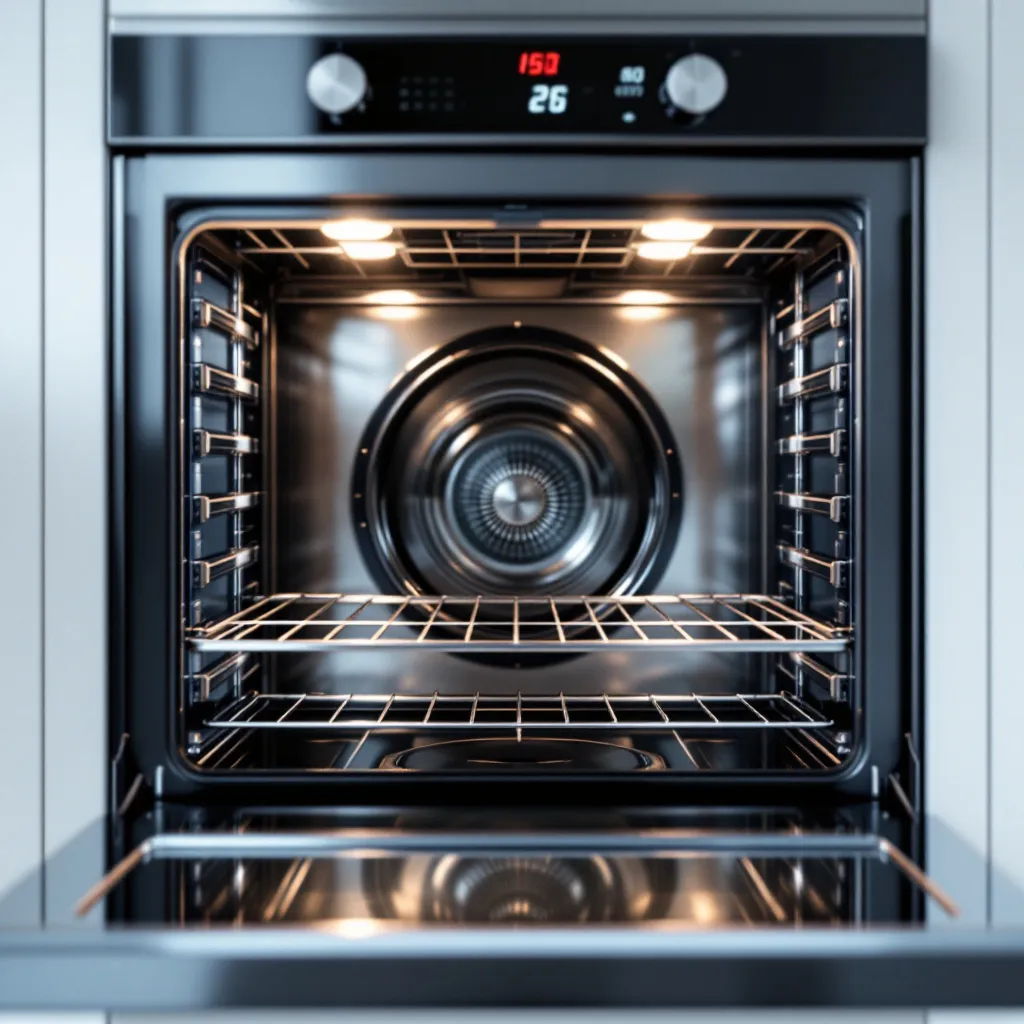
We clean ovens for a living, so you might expect a loud yes. The truth is more useful than that. For some homes, a professional clean is good value. For others, a weekend of DIY will do.
This post gives you a way to decide, because every home is different. We look at cost, time, safety and results, and we say where we think you should save your money. If you want to see what we charge, our oven cleaning service page lists it.
What you pay for
A professional clean buys three things: skill, equipment and time. The skill is knowing which product suits which surface. The equipment is a heated dip tank for racks and trays, plus tools for awkward corners. The time is the hours you would otherwise spend on your knees.
Our single oven clean costs £50 and a double oven costs £60. Those prices include the racks, trays and door glass. For a full list of what moves a price, see our Glasgow oven cleaning cost guide.
Set against the value of your time, the sum is small. For example, if your time is worth £15 an hour and DIY takes four hours, you have spent £60 of effort. The product costs extra, and the result is often worse.
When it is clearly worth it
Some situations tip the balance. Because of that, if one fits you, a professional clean is usually the right call.
- You are moving out of a rented home and want your deposit back
- The oven has years of burnt-on carbon
- You own an AGA, Rayburn or range cooker
- Someone in the house has asthma or sensitive skin
- You do not have the time, or the strength, to scrub for hours
- You are selling and want the kitchen to show well
Landlords sit in this group nearly always, because a written record of a professional clean avoids disputes at check-out. Our end-of-tenancy oven cleaning checklist covers what to do.
When DIY is fine
An oven you wipe down monthly needs a professional no more than once a year. If the build-up is light, a damp cloth and a gentle paste can handle it. In that case, save your money.
DIY also works for a quick refresh before guests arrive. Wipe the glass, clear the crumbs and soak the racks in the sink. It will not match a full clean, but it will take the edge off.
Be honest about the limits, though. If a stain has been there for months, home methods often fail, and harsh shop-bought sprays carry risks of their own. Which brings us to safety.
The safety question
Many supermarket oven cleaners contain caustic chemicals. They can burn skin and release strong fumes in a closed kitchen. Gloves and open windows help, but they do not remove the risk.
Professionals still handle chemicals, but they know the precautions. Ours are non-caustic, so the problem rarely arises. We explain the differences in our post on whether oven cleaning fumes are dangerous.
Also consider the physical side. Reaching into an oven strains the back and shoulders, while lifting heavy racks in and out of a sink adds another hazard. Paying someone else avoids both.
Results compared
A good professional clean strips carbon from the cavity, the fan, the door and the racks. It reaches the places a sponge cannot, such as between the glass panels of the door. The glass often looks brighter than people expect.
DIY results vary widely. A careful person with plenty of time can get close. Most people, however, run out of patience before the oven runs out of grime. There is no shame in that, because burnt-on carbon is hard and most kitchens lack a dip tank.
What a clean does for the oven
A clean oven smells better, since old fat no longer smokes each time you preheat. Clear door glass also lets you check food without opening the door. Clean elements and seals are easier to inspect, so you spot wear early.
None of this is dramatic overnight. Instead, it is the steady benefit of looking after an appliance you use daily. Think of it like servicing a car, which most people accept without argument.
The hob and the extractor
An oven rarely sits alone. The hob above it and the extractor over that collect grease too, and they affect how your kitchen smells and how safe it is. Our hob cleaning service costs £20 as an add-on to an oven clean.
The extractor deserves more credit than it gets, because grease collects in the filter and the housing, where it can build up and catch fire. We cover this in extractor fans and the grease trap most kitchens forget, and our extractor fan cleaning is also £20 as an add-on.
If you pay for one visit, doing all three at once gives the best value. We bring the covers and the tools, so the extra jobs add little time.
Families, pets and peace of mind
Families with young children and pets worry about what stays behind after a clean. That is fair, because small hands and paws touch surfaces and then mouths. Non-caustic products remove much of that worry.
We will go into this further in our guide to pet and child safe oven cleaning. Until then, the short answer is that you can cook the same day after our visit.
Local examples
We clean across Glasgow and the surrounding areas, including oven cleaning in Renfrew, oven cleaning in Hamilton and oven cleaning in Barrhead. The same prices and the same products apply in each.
If you live a little further out, tell us your postcode. We will say plainly whether we can reach you and when.
Our honest verdict
For most homes, a professional clean once a year is good value. Heavy cooks, landlords and owners of premium cookers should consider it more often. Light users with spare time can manage themselves and call us when the carbon wins.
If you are unsure, ask for a quote. A fixed price costs nothing to request, and you can decide with the number in front of you.
Book your clean
Want to see what it would cost for your oven? Use our quote form and we will come back with a fixed price and a date.