Extractor Fans: The Grease Trap Most Kitchens Forget
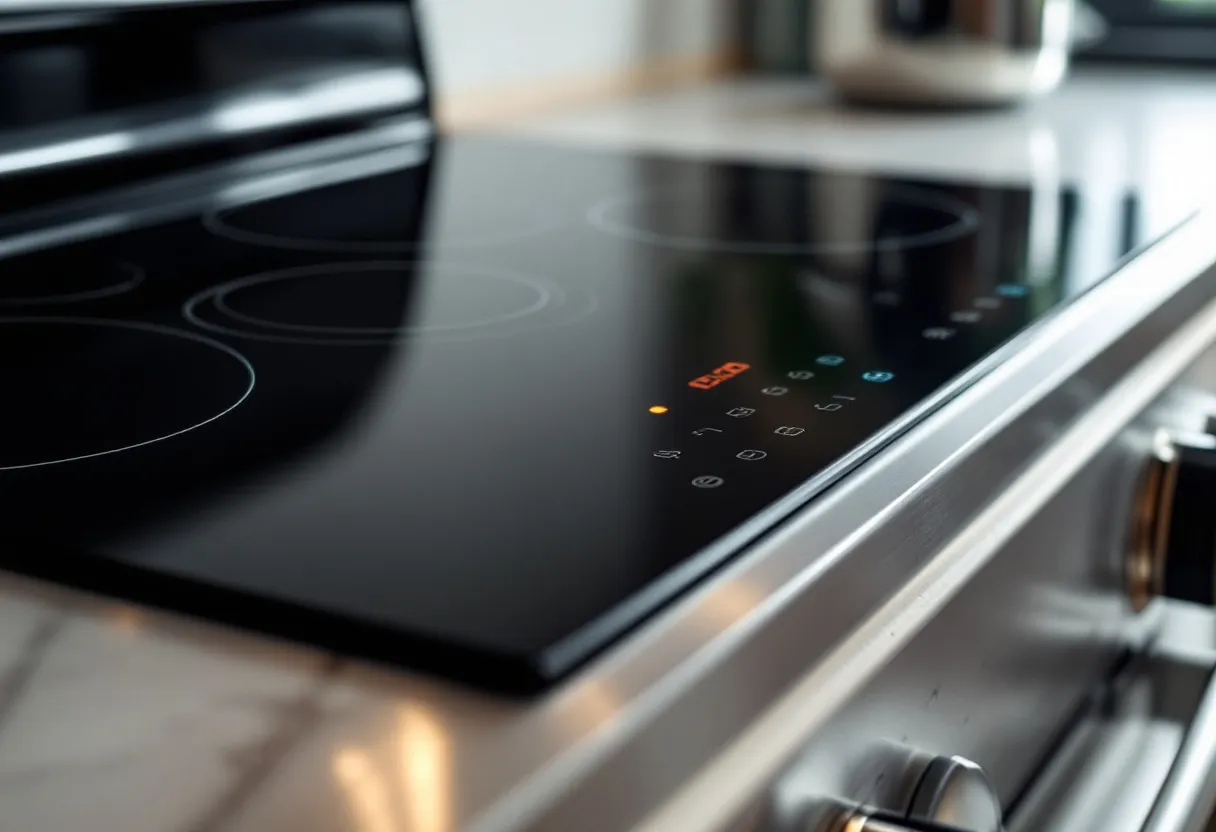
Look up from your hob. The extractor hood sits there, doing a quiet job each time you cook. Yet most people clean the oven, the hob and the worktop, then forget it completely.
That is a mistake, because the hood catches the grease that the rest of the kitchen escapes. When the filters clog, the fan works harder and removes less. This guide explains what is happening up there, how to clean it safely and when to call for help. Our extractor and cooker hood cleaning service handles the hard cases.
What an extractor fan does
Cooking throws steam, smoke and tiny drops of fat into the air. Meanwhile, the fan pulls that air up and through a filter. The filter traps the grease before it reaches the motor or the duct.
Some hoods vent the air outside through a duct. Others clean the air and push it back into the room. Because these recirculating hoods rely on filters to do all the work, they need more care.
Either way, the filter is the key part. Once it is full of fat, air cannot pass. As a result, smells and steam stay in your kitchen.
Why a greasy hood is a problem
Grease is flammable, so a thick layer in a filter or hood can catch fire if a pan flares up below. For example, a flame that reaches a greasy filter spreads much faster than one that meets clean metal.
A clogged filter also makes a hood noisy and weak. The motor strains and may wear out sooner. Meanwhile, moist, greasy air settles on cupboards and walls, leaving a sticky film.
Odour is the third issue. Old grease turns rancid and gives off a stale smell each time you switch the fan on. Air fresheners cannot hide it for long, since the source stays in the filter.
The three common filter types
Not all filters are alike. Check which type you have before you clean, because the method depends on it.
- Metal mesh filters: layers of aluminium or steel mesh, usually found on ducted hoods. You can wash these.
- Baffle filters: curved steel plates that force air to turn. They are common on professional kitchens and some home hoods. You can wash these too.
- Charcoal filters: a pad of carbon that absorbs smell on recirculating hoods. You cannot wash these. You replace them.
Your manual will tell you the type and the right replacement. If you have lost it, the model number on the hood usually helps you find a copy online.
How to clean a metal grease filter
Switch the hood off at the wall. Slide or unclip the filter, since many pull out with a catch or a simple twist.
Fill a sink with hot water and a good squirt of washing-up liquid. Add a spoonful of bicarbonate of soda if the grease is thick. While you wait, lay the filter flat and let it soak for about fifteen minutes.
Then scrub with a soft brush, working along the mesh. Rinse in hot water and shake off the excess. Leave the filter to dry fully before you refit it.
Some filters are dishwasher safe, but check your manual first. Strong dishwasher tablets can darken aluminium, so a dull filter often points to that cause.
How to clean the hood itself
The filter is only the first layer, because grease also coats the underside of the hood, the fan blades and the light fittings. Wipe the outside with warm soapy water and a microfibre cloth.
Inside, use a degreaser that suits the surface. Stainless steel needs a gentle touch and a wipe along the grain. Painted hoods scratch if you use harsh pads.
Never spray liquid into the motor or the controls. Instead, spray the cloth, not the hood. Take extra care around bulbs and wiring, and switch off the power first.
How often to clean the filters
A good rule is to wash metal filters once a month if you cook daily. Households that fry often may need to do it each fortnight. However, light cooks can stretch it to two or three months.
Charcoal filters last for a set period, which the maker states in the manual. Many people change them every few months. Still, a hood that smells even when the filter is new has grease deeper in the housing.
Keep a note in your calendar, because it is easy to forget. The build-up is slow enough to ignore until it gets bad.
Signs your extractor needs professional attention
Home cleaning only reaches so far. Specifically, some signs suggest the grease has gone deep.
- Brown, sticky drips on the hood or the hob
- A fan that sounds rough or slow
- Steam that lingers after you cook
- A stale smell even with clean filters
- Visible grease inside the housing or duct opening
When we see these, we strip the hood down and degrease the housing inside and out. We soak the metal filters, remove carbon build-up and refit everything so the unit runs freely. Replacement bulbs are fitted where needed. Our hood add-on costs £20 with an oven visit.
The link between hob and hood
The hob and the extractor work as a pair. Grease that lands on the hob first passes through the air above it. If one is dirty, the other usually is as well. Our hob cleaning service pairs naturally with a hood clean for that reason.
Keeping the two clean together also saves time, since we can clean the hob, strip the hood and finish the oven in one visit. You can read more about options in our guide to DIY versus professional oven cleaning.
Use gentler products near your food
Cooker hoods sit directly above where you prepare food, and strong degreasers can leave a smell or a residue that drifts down onto the hob. Therefore, choose products that rinse cleanly.
We use non-caustic, biodegradable products for this reason. They lift grease without harsh fumes, so you can cook as soon as we leave. Our post on eco versus caustic oven cleaning explains how the two approaches differ.
Landlords, letting agents and kitchens that serve the public
Extractors matter at the end of a tenancy because a greasy hood is one of the first things an inspector or a new tenant notices. Our end-of-tenancy oven cleaning checklist lists the kitchen items worth checking.
In commercial kitchens, extraction is a safety item. Therefore, we quote per job through our commercial oven cleaning service, because canopy sizes and use patterns vary.
Does a clean hood save energy?
We cannot promise a lower bill from a clean hood. Our guide on whether a clean oven saves energy explains what we can and cannot say.
Where we clean extractors
We clean hoods across Glasgow and the surrounding areas. For instance, in South Lanarkshire, we take bookings through oven and extractor cleaning in East Kilbride. Closer to the city, we cover oven cleaning in Clarkston and oven cleaning in Rutherglen.
Pricing is simple. The extractor add-on is £20 when you book it with an oven clean, and the oven prices start at £50 for a single.
Book an extractor clean
If your hood smells, drips or sounds tired, a deep clean may be overdue. Send your details through the quote form and we will confirm a fixed price and a date.