Commercial Kitchen Oven Cleaning: Hygiene and Compliance
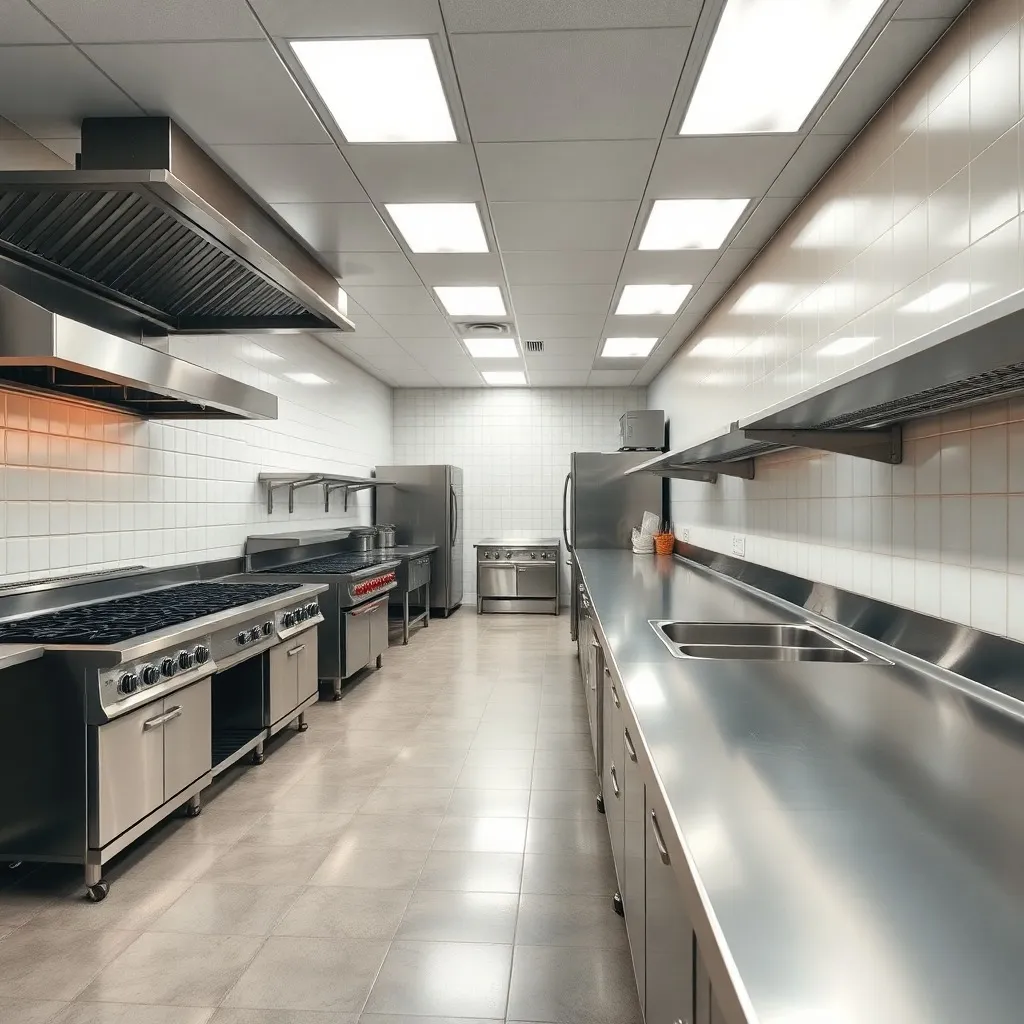
A busy kitchen runs its ovens hard. They bake all day, take spills at speed and rarely get a rest. Therefore, grease builds up faster than most owners expect.
This guide is for managers, chefs and owners of cafés, pubs, takeaways and restaurants. It covers why oven hygiene matters, what the rules ask of you, and how to plan cleaning without losing trading hours. If you want a quote for your own site, our commercial oven cleaning service is built for this work.
Why commercial ovens get dirty so fast
A home oven might cook five or six meals a week, while a commercial oven may cook that many in an hour. Fat spits, sauces boil over and sugar chars on the floor of the cavity.
Heat then bakes each layer on top of the last. As a result, within weeks, a film forms on the walls, the door and the fan. Within months, it turns hard and black.
This is a hygiene problem and a safety problem. Carbon flakes can fall onto food, and thick grease adds to the fire risk. Therefore, regular cleaning matters.
What the rules expect
Food businesses in Scotland must keep their premises and equipment clean and in good repair. Food Standards Scotland oversees food safety policy, while your local council’s environmental health officers carry out inspections. They look at the whole kitchen, including ovens, hobs and extraction.
An inspector who sees thick grease or old carbon may mark the business down. They may also ask for proof that you clean on a schedule. For that reason, written records matter as much as the clean itself.
Check the current guidance from Food Standards Scotland and your council for the detail that applies to your premises, because rules change and your food safety plan should reflect your menu and equipment.
Fire risk is part of the picture
Grease is fuel, and built-up fat in ovens, hobs and extraction ducts can catch fire. For example, a small flare-up can spread fast along a greasy canopy or duct.
The Fire (Scotland) Act 2005 places duties on the people in charge of non-domestic premises, including a fire risk assessment. Kitchen grease should feature in that assessment. Your insurer may also ask how often you clean extraction and cooking equipment.
Therefore, treat cleaning as part of fire prevention, not only as a cosmetic job. A clean oven and a clean extractor lower the chance of a serious incident.
Which equipment needs cleaning
Think about the full cooking line, not only the main oven, since each item collects grease in its own way.
- Combi ovens and convection ovens, including door seals and fan guards
- Range cookers, with their hotplates, grills and multiple cavities
- Griddles, salamanders and hob burners
- Extractor canopies, filters and the surfaces around them
- Fryer surrounds and splashbacks
Some of these need specialist care. For instance, our extractor and cooker hood cleaning removes grease from hoods, housings and filters. Large ranges need time and the right tools, which is why range cooker cleaning is a separate job.
How often should a commercial oven be cleaned
There is no single answer, because it depends on what you cook and how often. A pizza oven that runs from noon to midnight needs more attention than a café oven that bakes scones each morning.
As a starting point, many kitchens wipe down daily, deep-clean weekly in-house, and book a professional clean every few months. Heavy-use sites may need it monthly. Review the pattern after your first few visits and change it to suit.
For the domestic version of this question, see our guide on how often you should clean your oven. The same logic applies, although the numbers are higher in a working kitchen.
Daily habits that make deep cleans easier
A professional visit works best when staff keep up the basics. These habits cost little, and they save time.
- Wipe spills while the oven is warm but safe to touch
- Empty crumb trays and drip trays at the close of service
- Clean door glass and handles each day
- Soak removable racks when you can
- Log each task on a simple sheet
None of this replaces a deep clean. Still, it stops the worst baked-on layers from forming between visits. Our guide to cleaning each type of hob has methods your team can use on the cooktop.
What to ask a contractor before you book
Not all cleaners suit a commercial kitchen, so ask a few direct questions before you agree to a visit.
Specifically, ask whether the company is insured for work on commercial premises. Next, ask what products they use, because harsh chemicals near food areas create their own risk. Then ask if they can work outside service hours, because most kitchens cannot close in the middle of the day.
Ask for a written record of the work as well. A short job sheet with the date, the equipment cleaned and any faults noticed gives you evidence for an inspector or insurer.
How we handle commercial jobs
We are a family-run, fully insured team, and we use non-caustic, biodegradable products. That means no strong fumes drifting through a kitchen where people prepare food. Racks and trays soak in a heated tank, and we treat the inside of each oven by hand.
Prices for commercial work are quoted per job, because kitchens vary so much. The quote depends on the number of appliances, their size and their condition. We can work early, late or on closing days to fit your trading hours.
Some commercial kitchens use large heat-store ranges or traditional cookers. Our guide to AGA cleaning explains how we protect enamel and cast iron on these appliances. Likewise, the range cooker care guide covers larger multi-cavity cookers.
Small kitchens count too
Not all commercial kitchens are large restaurants. Church halls, tea rooms, care home kitchens and small caterers all cook for the public. Although they are smaller, they face the same hygiene duties.
If you run a small site, the same plan works, since the duties are alike. Keep a short cleaning schedule, book professional help at sensible intervals and keep records. It protects your customers and your reputation.
Where we work
Our commercial work covers Glasgow and the surrounding areas. While the city is our core, in the south, we take bookings through oven cleaning in Eaglesham, and we travel from there to nearby villages and towns. North-west of the city, our page on oven cleaning in Bearsden lists the neighbourhoods we serve.
Close by, we also cover oven cleaning in Milngavie for local cafés, small caterers and homes alike. If you are unsure whether we reach your premises, ask us through the form.
Request a commercial quote
Tell us about your kitchen, your equipment and when you can give us access. Use the quote form and we will come back with a fixed price for the job.